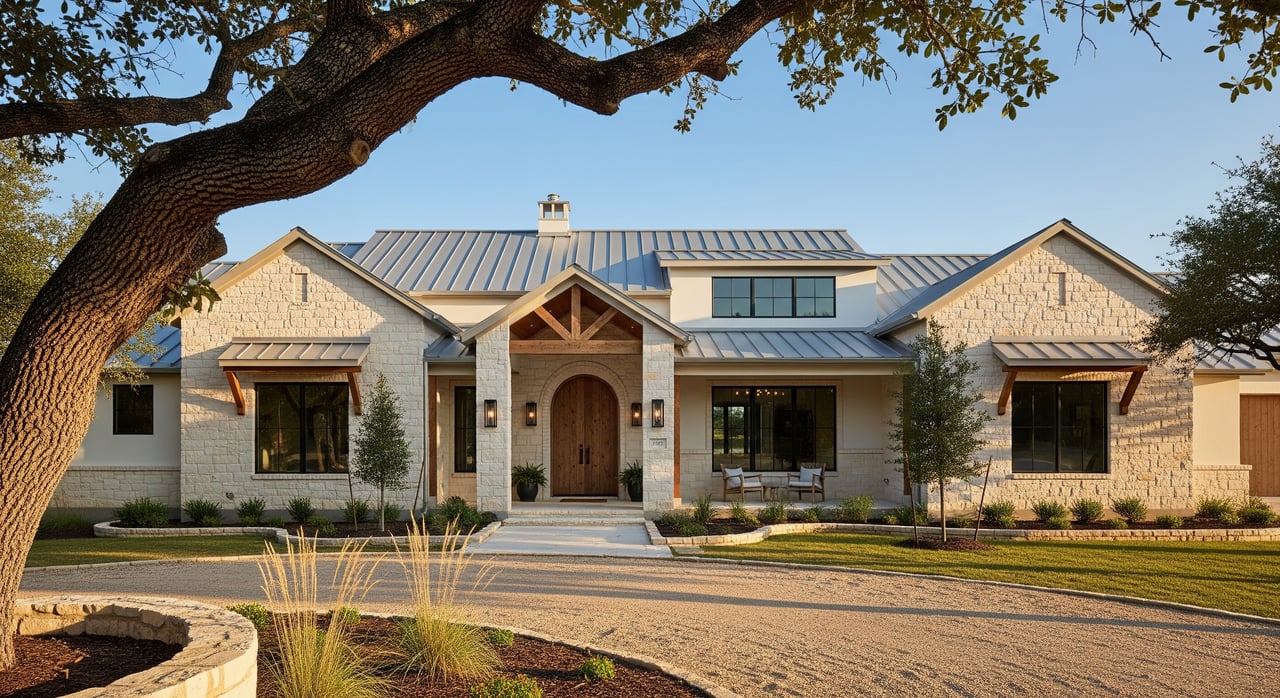
Thinking about a brand-new home in Round Rock? New builds offer modern layouts, energy-efficient systems, and that fresh-start feeling, but the process looks different than buying a resale. If you want to avoid delays, surprise fees, and one-sided contract terms, a smart plan is essential. In this guide, you’ll learn how new construction works locally, what to watch in builder contracts, and how to protect your budget from contract to closing. Let’s dive in.
Why Round Rock new builds stand out
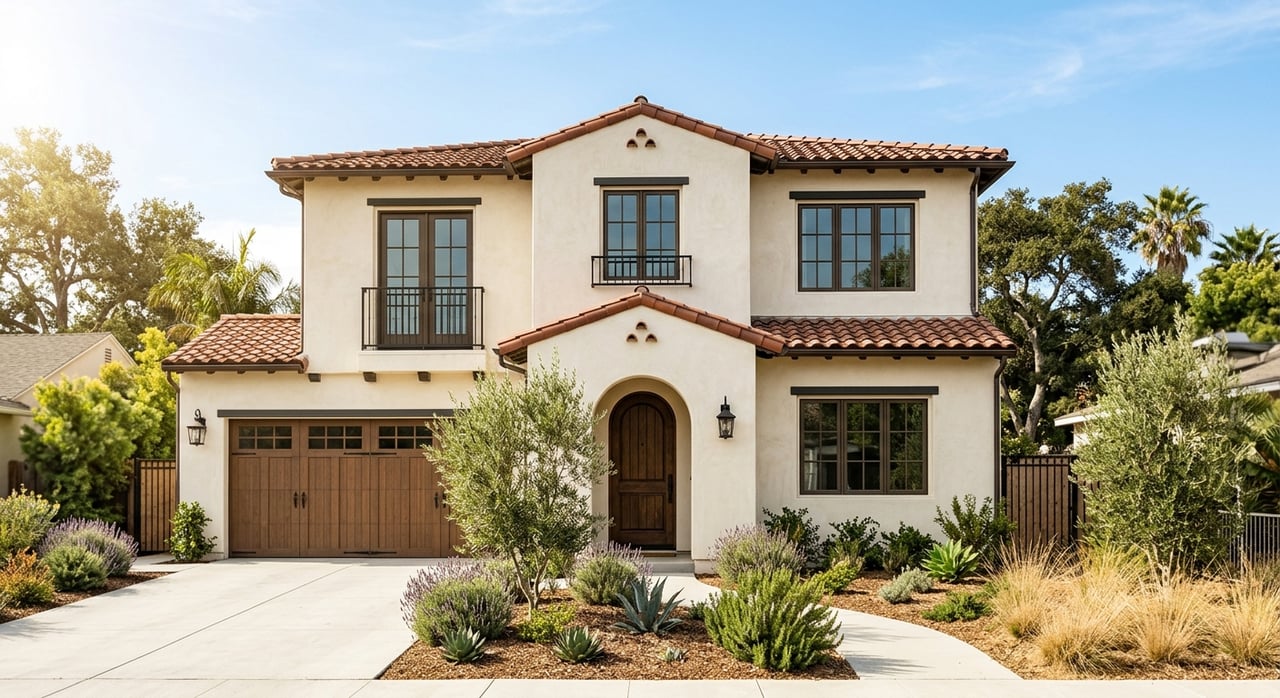
Round Rock sits in one of the fastest-growing regions in Texas, and new-home communities play a big role in adding supply. You’ll see a mix of national production builders and regional builders offering everything from entry-level homes to semi-custom options. Many neighborhoods include amenities like trails, parks, and community pools.
Product types vary. You can choose production homes with preset plans, semi-custom homes with design flexibility, and in some cases, fully custom builds. Expect options like interior and corner lots, plus occasional estate-sized sites. Lot location often drives a lot premium, which gets added to the base price.
Know your total cost early
New construction pricing starts with a base price, then grows with lot premiums and finish selections. The earlier you map the full cost, the better.
- Lot premiums: Desirable locations, larger lots, or views commonly add to the price.
- Upgrades: Flooring, cabinets, counters, and appliance packages are priced as options. Get a written list of what’s included in the base price versus upgrades.
- MUD/WCID taxes: Many new Round Rock-area communities are in special utility districts that fund infrastructure. These MUDs or WCIDs can add recurring taxes or fees, which affect your monthly payment and long-term cost. Confirm whether the subdivision is in a district and review current and projected assessments.
- Property taxes: Newly built homes can be reappraised in the first year. Review how the Williamson County Appraisal District handles valuations and timing for homestead-related rules so you understand potential changes to taxes after closing.
- HOA dues and fees: Ask about monthly or annual dues, and any transfer or estoppel fees at closing.
Builder contracts vs. resale: key differences
Resale purchases often use standard contract forms with familiar protections. Builder agreements are usually proprietary and may shift terms in the builder’s favor. Read every clause, and have your agent explain how each one affects you.
Contingencies and inspections
Resale contracts typically include financing, appraisal, survey, and inspection contingencies. Builder contracts may limit or modify these protections or shorten timelines. Clarify your right to inspect, when you can cancel, and what happens if financing or appraisal does not align with the contract price.
Deposits and refundability
Builders often require non-refundable deposits for the home and design center upgrades. Confirm when deposits become non-refundable, whether funds are credited at closing, and how milestone payments work. Ask for refundability tied to financing or major builder delays.
Completion dates and delays
Most builder agreements list estimated completion dates and broad delay clauses for weather, labor, and supply issues. Understand how delays are handled, when closing can be extended, and whether any remedies or extensions apply if construction stalls.
Change orders and pricing
Upgrades and change orders are usually due upfront and can adjust your purchase price. Get a firm deadline for selections and a written process for approving and pricing changes. Track each change order in writing.
Arbitration and dispute resolution
Many builder contracts include arbitration clauses and limits on class actions. Know how disputes are handled and whether mediation is required before arbitration. This affects your options if issues arise.
Title and closing services
Builders often prefer a specific title company and may offer incentives to use it. In Texas, buyers often have a say in title services, but builder preferences are common. Confirm who pays the title policy and what closing costs the builder covers.
Timeline, inspections, and permits
New construction runs in phases, and clear communication helps you manage expectations and protect quality.
Construction stages
Most homes move through site prep, foundation, framing and roof, rough-in systems, insulation and drywall, interior finishes, and final walk-through. Timelines vary by plan, weather, and supply conditions, so build some flexibility into your schedule. Make sure your contract spells out how completion dates and extensions work.
City inspections and CO
City inspectors review key stages like foundation, framing, and systems before the builder can finalize work. Before closing, confirm that all inspections are complete and a Certificate of Occupancy is issued. Request permit logs and inspection records as part of your file.
Independent inspections you control
Even with city inspections, you should hire an independent inspector who knows new builds. The most useful checkpoints are:
- Pre-drywall and rough-in inspection to view framing, electrical, plumbing, and HVAC
- Final inspection to build a punch-list before closing
- An 11-month inspection before the one-year warranty milestone so you can document items while coverage still applies
Warranty basics
Most builders offer a three-part warranty structure: about one year for workmanship and materials, roughly two years for systems like HVAC, plumbing, and electrical, and up to ten years for major structural coverage, often backed by a third-party provider. Coverage varies, including definitions, exclusions, and claim steps. Read the warranty documents early and follow the process to the letter.
Smart negotiation moves with builders
You can negotiate with builders, but strategy matters. Flex your leverage in ways that match the market and your timeline.
- Non-price concessions: Ask for closing cost credits, appliance packages, upgraded finishes, or financing incentives like temporary rate buydowns.
- Inventory homes: Completed or near-complete homes may offer more room for concessions than a long build from dirt.
- Lot premiums: In some cases, you can negotiate the premium or choose a different lot to save.
- Net benefit math: Compare a price reduction with a rate buydown or closing credit to see which saves more over your time horizon.
Step-by-step checklist for Round Rock buyers
Use this simple plan to stay organized from the first visit to your 11-month inspection.
Before you sign
- Verify subdivision details: plat status, utilities, MUD or WCID, HOA, and expected assessments.
- Request floorplans, elevations, and a complete list of inclusions versus upgrades.
- Ask for warranty documents and a typical timeline from contract to Certificate of Occupancy.
- Review local resale comparables so you know if the price and upgrades align with market value.
At contract
- Have your agent review the builder’s agreement and addenda, including dispute resolution terms.
- Confirm deposit amounts, due dates, and refundability tied to financing or major delays.
- Clarify title company, escrow handling, and who pays the owner’s title policy and closing costs.
During construction
- Schedule independent inspections at pre-drywall and final stages.
- Keep copies of permits and city inspection results; request confirmation of the CO before scheduling closing.
- Track change orders and selection payments in writing.
After delivery
- Do a thorough walk-through and create a written punch-list with timelines for repairs.
- Schedule your 11-month inspection to capture items before the one-year warranty window ends.
- Keep a record of all communication, repair orders, invoices, and warranty submissions.
How your agent adds value
A buyer’s agent is your advocate in a process that favors the builder. Your agent explains each contract clause, requests buyer-friendly changes, and helps you compare base prices, upgrades, and lot premiums with recent Round Rock sales. They coordinate independent inspections, keep your timeline on track, and help you press for repairs under warranty.
Working with a local team also gives you context for neighborhoods, commute patterns, and cost-of-ownership items like MUD/WCID taxes and HOA dues. If you are relocating or still deciding whether to rent first, you can lean on a brokerage that supports both leasing and buying so your plan fits your timeline and budget.
Final thoughts
New construction in Round Rock can be a smart move when you understand the contract, the true cost of ownership, and the build timeline. Focus on upgrades with the best long-term value, confirm district taxes and HOA fees, and never skip independent inspections. With the right strategy and a local advocate, you can close with confidence and enjoy your new home from day one.
Ready to explore new-build communities or compare them with resale options? Connect with the team at Four22 Realty Group to map your plan and shop with confidence.
FAQs
Should I get inspections on a new-build home in Round Rock?
- Yes. Independent pre-drywall and final inspections help catch workmanship and system issues so you can address them before closing and through warranty.
Are builder warranties enough protection for defects?
- Warranties are helpful but vary by builder and provider. Read the documents for coverage, exclusions, and deadlines, and document items for the 11-month warranty check.
Can I negotiate price or incentives with a builder?
- Often yes, especially on inventory homes or in slower cycles. You may secure closing credits, upgrades, or financing incentives, even if the base price is firm.
What are lot premiums and how do they affect price?
- Lot premiums are added charges for location or size advantages like corner or larger lots. They are separate from upgrades and increase the total contract price.
How do MUD or WCID taxes impact my monthly payment?
- These districts add ongoing taxes or fees to repay infrastructure costs. Verify whether the community is in a district and include these amounts in your monthly budget.
Who chooses the title company in a new construction purchase?
- Builders often prefer a specific title company and may offer incentives. In Texas, buyers often have a choice, so confirm who pays the title policy and closing costs.