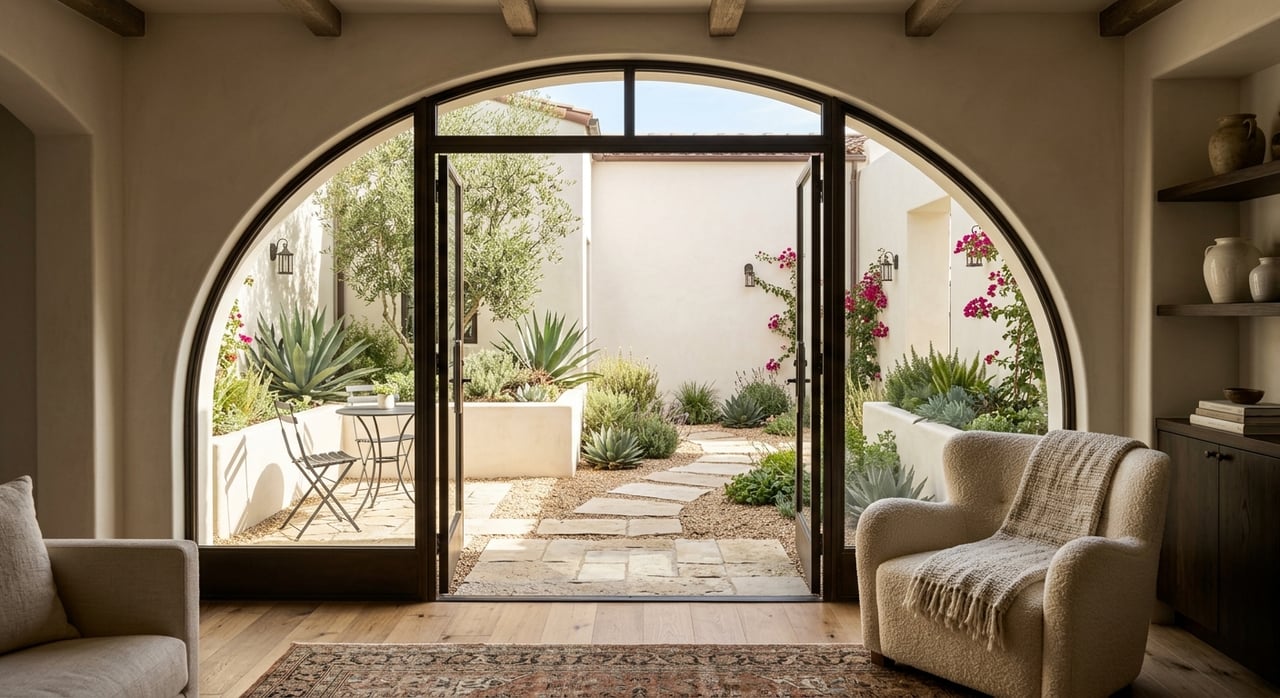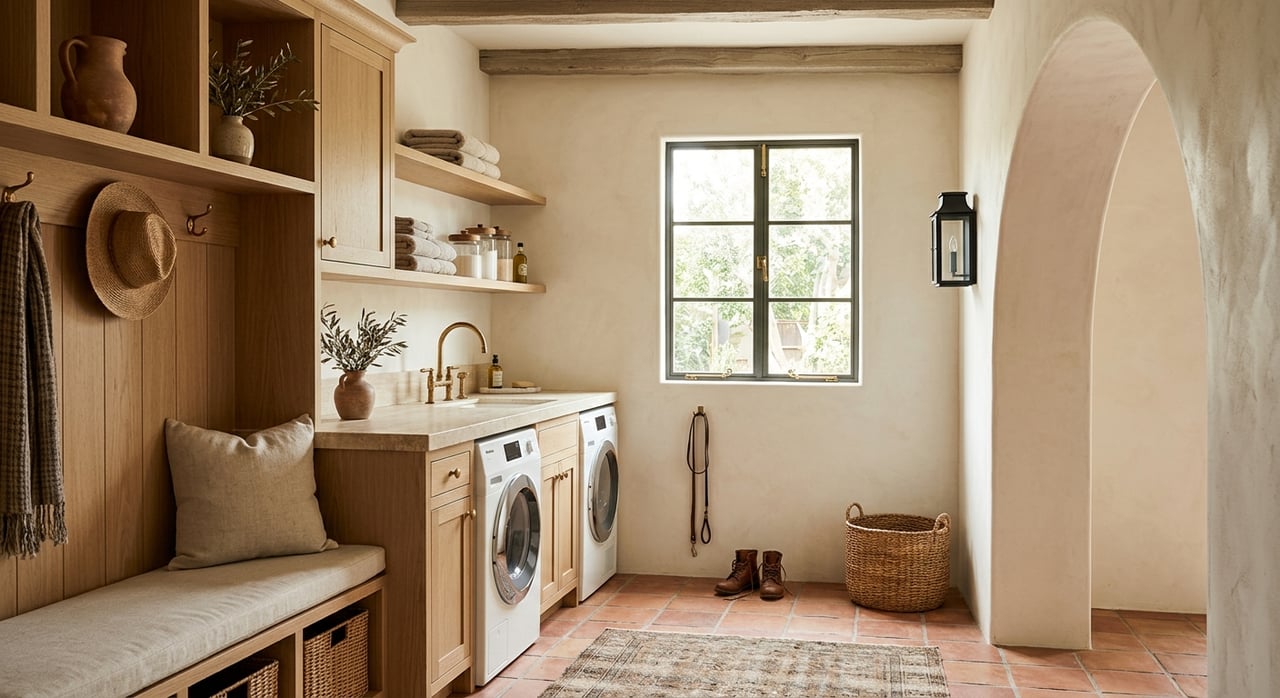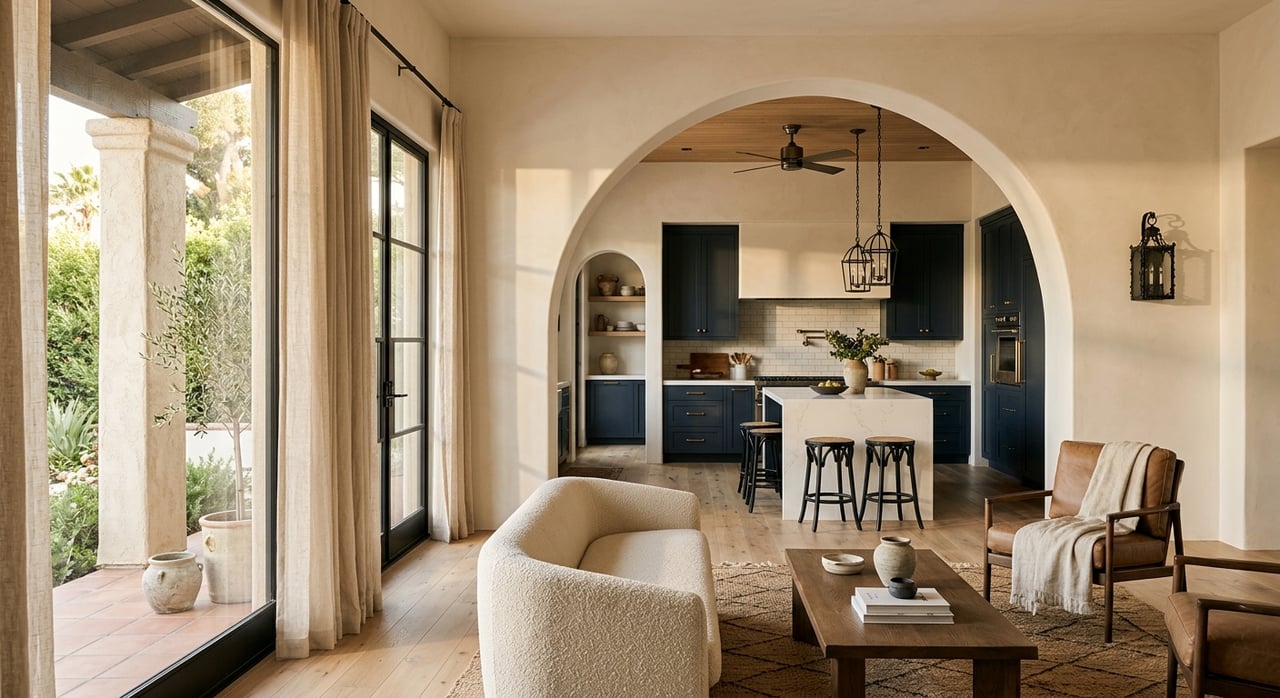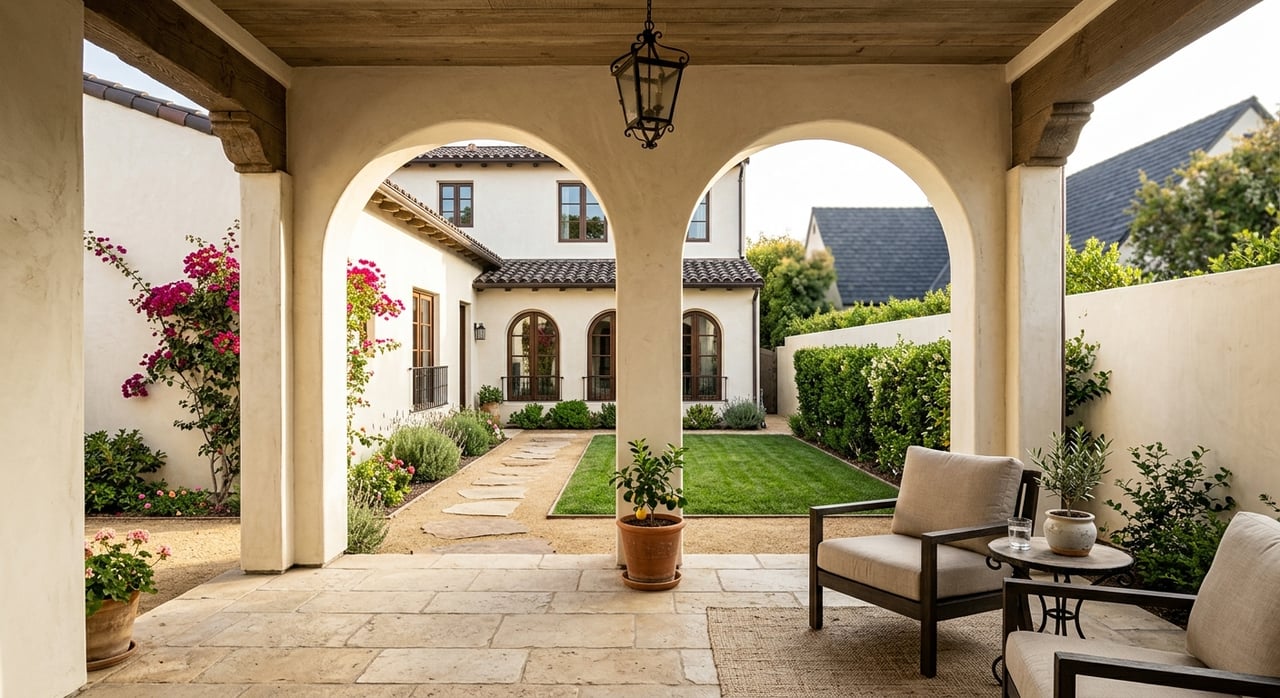
Thinking about trading a tighter Austin footprint for a little more space and a little more breathing room? In Buda, many of the newer communities are designed around exactly that idea: newer homes, built-in amenities, and easier access to both everyday errands and outdoor recreation. If you want to know what daily life really feels like in these neighborhoods, this guide will walk you through the homes, commute, amenities, and local character that shape the experience. Let’s dive in.
Why Buda attracts new-home buyers
Buda sits about 15 miles south of Downtown Austin along the I-35 corridor, which puts it in a spot many buyers consider when they want to stay connected to the metro without living in the middle of it. Official city tourism materials describe Buda as a historic downtown rooted in an 1881 railroad stop, with small-town charm and Hill Country hospitality.
That mix of access and identity matters. Buda does not feel like a place built only for sleeping and commuting. It has an established town center, a growing residential base, and a strong outdoor culture that gives newer neighborhoods a more lived-in, connected feel.
The latest Census Bureau estimates place Buda at 16,166 residents in July 2025, with a 76.6% owner-occupied housing rate and a 29-minute mean commute to work. In practical terms, that suggests a city with a solid base of long-term homeowners and a day-to-day rhythm shaped by both local living and regional travel.
What newer homes in Buda feel like
Most of Buda’s active newer communities center on single-family homes in planned developments. The common thread is functional space: open-concept layouts, attached garages, covered patios or porches, and flexible one- or two-story floor plans.
You will also see a broad size range, which helps explain why Buda appeals to different stages of life. Current examples across communities run from about 1,156 square feet on the smaller end to more than 3,500 square feet on the larger end, with 3 to 5 bedrooms being especially common.
That variety can make it easier to find a home that fits how you live now and what you need next. Some communities offer more compact plans with lower-maintenance living, while others provide larger homesites and extra bedrooms for guests, work-from-home setups, or hobby space.
Common home features
Across Buda’s newer communities, you will often find features like:
- One- and two-story floor plans
- Open kitchen, dining, and living areas
- Covered patios or front porches
- Walk-in closets
- Attached two- or three-car garages
- Flexible bedroom counts and bonus spaces
Several current communities show how wide the range can be. Sunfield offers homes with 3 to 5 bedrooms and 1,604 or more square feet, while Persimmon offers 2 to 6 bedrooms and 1,754 to 3,675 square feet on multiple lot sizes. Prairie Lakes starts around 1,156 square feet, Turner’s Crossing includes plans from roughly 1,687 square feet and up depending on collection, and The Porch at Du Pre offers homes from 1,438 to 2,267 square feet.
Amenities shape daily life
One of the biggest differences between living in an older neighborhood and living in one of Buda’s newer communities is how much recreation is built into the neighborhood itself. In many cases, the community is not just where your home sits. It is also where you walk, meet neighbors, cool off, and spend part of your weekends.
The most common amenity pattern in newer Buda communities is recreation-first. Pools, splash pads, trails, playgrounds, dog parks, pavilions, ponds, lakes, and event lawns show up again and again.
Sunfield is one of the clearest examples of this lifestyle. Its amenities include a 1,000-foot lazy river, lagoon and activity pools, a splash pad, more than 12 miles of trails, catch-and-release lakes, dog parks, playgrounds, and year-round events coordinated by a lifestyle team.
That kind of setup changes the daily feel of a neighborhood. Instead of planning every activity somewhere else, you may have walking routes, gathering spots, and recreation close to home.
What that means for your routine
In practical terms, living in one of Buda’s new communities can mean:
- Evening walks without leaving the neighborhood
- Easy access to playgrounds or open green space
- Warm-weather weekends centered around the pool
- More casual ways to meet neighbors
- A stronger sense that your neighborhood has its own rhythm
For many buyers, that is a major part of the appeal. You are not just buying square footage. You are buying into a lifestyle that often feels more social and more outdoors-oriented.
Buda already has a strong park culture
The neighborhood amenities matter, but they are only part of the story. Buda also has a citywide park identity that supports an active lifestyle beyond any one subdivision.
According to the city’s economic development corporation, Buda has 268 acres of public parkland, 13 public park areas, 10 playgrounds, and 6 miles of trails. The city’s parks department similarly notes that it oversees more than 260 acres of parkland, trails, athletic fields, and recreation amenities.
That broader recreation network helps newer communities feel less isolated. Even if your neighborhood has its own trails or gathering spaces, you also have access to city parks, events, and public places that connect you to the rest of Buda.
Popular public recreation spots
Some of the city’s recreation anchors include:
- Buda City Park
- Historic Stagecoach Park
- Bradfield Village Park
- Garlic Creek Park
- Onion Creek Trail
Buda City Park is a 59-acre downtown park with an amphitheater, playground, splash pad, and basketball courts. It also hosts annual events like Budafest, Movies in the Park, and Red, White and Buda, which reinforce the city’s community-centered feel.
The Onion Creek Trail, which opened in May 2025, adds another layer to that experience. The nearly 1.5-mile multi-use trail connects destinations near Buda City Park and Garison Park, giving residents another way to move through town and enjoy outdoor time.
The commute tradeoff is real
If you are considering Buda, commute is part of the conversation. The city’s location is convenient for regional access, but traffic conditions still shape how easy your drive feels on any given day.
TxDOT describes I-35 through Central Texas as one of the state’s most congested highways, and the corridor is undergoing ongoing improvements to address congestion and travel-time delay. That means Buda offers access, but not immunity from metro-area traffic.
This is the tradeoff many buyers weigh. You may gain newer construction, more home options, and stronger neighborhood amenities, but your travel time into Austin can vary depending on when and where you need to go.
How communities frame access
Different communities highlight different transportation advantages. Turner’s Crossing notes access within 5 miles of I-35 and the toll road toward North Austin’s tech corridor, while Persimmon highlights its location on FM 967 with access to FM 1626, SH 45, and I-35.
Persimmon also reflects the long-term infrastructure planning that comes with Buda’s growth. In 2024, the city approved a development agreement tied to a larger 775-acre master-planned project that includes a future SH 45 reservation, a roundabout on FM 967, a new north-south parkway, shared-use paths, and a limited number of residential units.
For buyers, the takeaway is simple: Buda works well for many people who want regional access, but it helps to think honestly about your schedule, your destinations, and your tolerance for corridor traffic.
Downtown keeps Buda grounded
One reason Buda’s new communities can feel more connected than some suburban developments is that the city has an established downtown experience. You are not depending only on a neighborhood amenity center for local character.
Buda’s tourism office describes downtown as walkable and historic, with local shops and restaurants that help anchor social life around Main Street. That gives residents a place to go that feels distinct from newer development patterns.
Dining options listed by the city include Valentina’s Tex Mex BBQ, Louie’s Craft BBQ, Main St. Pizzeria & Beer Garden, Nate’s Coffee & Cocktails, Summer Moon Coffee, Buda Soda Fountain, Garcia’s Mexican Restaurant, and Water 2 Wine. The presence of both local dining and familiar chain options can make weekdays easier and weekends more interesting.
City events also add to that texture. Gatherings like Sip N Stroll help reinforce the idea that newer neighborhoods in Buda do not sit apart from town life. They connect back to a community with its own traditions, gathering places, and public events.
Who tends to enjoy Buda’s new communities
Buda’s newer neighborhoods often appeal to buyers who want a little more room without stepping too far away from the Austin metro. If you value open layouts, neighborhood amenities, outdoor recreation, and a town with some established character, Buda can check a lot of boxes.
It can also be a practical fit if you want newer construction and a more planned neighborhood environment. The strong owner-occupant base and recreation focus support a lifestyle that often feels stable, active, and community-oriented.
At the same time, it helps to go in with clear expectations. New-community living in Buda usually means balancing comfort, space, and amenities with the realities of growth and corridor traffic.
What to consider before you buy
Before choosing a new community in Buda, it helps to compare more than the floor plan. The overall fit often comes down to how the neighborhood supports your daily life.
Here are a few smart questions to ask as you narrow your options:
- How much space do you actually want today and in the next few years?
- Do you prefer a compact floor plan or room to spread out?
- Which amenities would you really use each week?
- How often will you commute, and at what times?
- Do you want easy access to downtown Buda’s shops and restaurants?
- How important are parks, trails, and outdoor gathering spaces?
These questions can help you look past the model home and focus on how a community will feel after move-in day. That is often where the best decision gets made.
If you are exploring Buda, it helps to work with a local team that understands how these communities compare, how the commute plays out in real life, and how to match your lifestyle goals to the right neighborhood. When you are ready to talk through your options, connect with Four22 Realty Group for guidance that is local, thoughtful, and tailored to your move.
FAQs
What are newer homes in Buda communities typically like?
- Most newer homes in Buda are single-family homes with one- or two-story layouts, open-concept living spaces, covered outdoor areas, walk-in closets, and attached garages.
What amenities do Buda new communities usually offer?
- Many newer Buda communities focus on recreation, with amenities such as pools, splash pads, trails, playgrounds, dog parks, ponds, lakes, pavilions, and shared event spaces.
What is the commute like from Buda to Austin?
- Buda offers access to Austin through the I-35 corridor and nearby connecting roads, but commute times can vary because I-35 in Central Texas is a congested corridor with ongoing improvement projects.
What outdoor recreation is available in Buda?
- Buda has more than 260 acres of public parkland and recreation space, including parks, playgrounds, trails, athletic fields, and destinations such as Buda City Park and Onion Creek Trail.
Does Buda have a downtown area near new communities?
- Yes. Buda has a walkable historic downtown with local shops, restaurants, and community events, which helps newer neighborhoods feel connected to the city’s broader social life.
Who is a good fit for Buda’s new-home lifestyle?
- Buyers who want newer construction, more space, neighborhood amenities, outdoor access, and proximity to the Austin metro often find Buda appealing, especially if they are comfortable balancing those benefits with regional traffic realities.