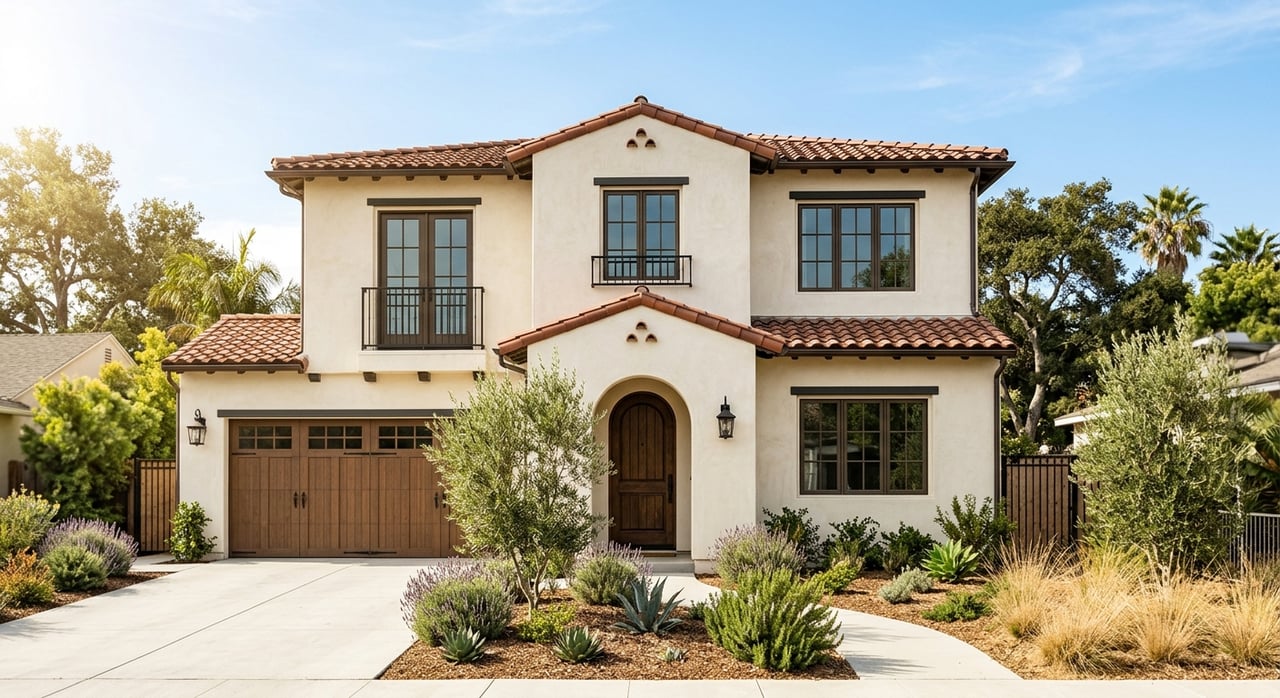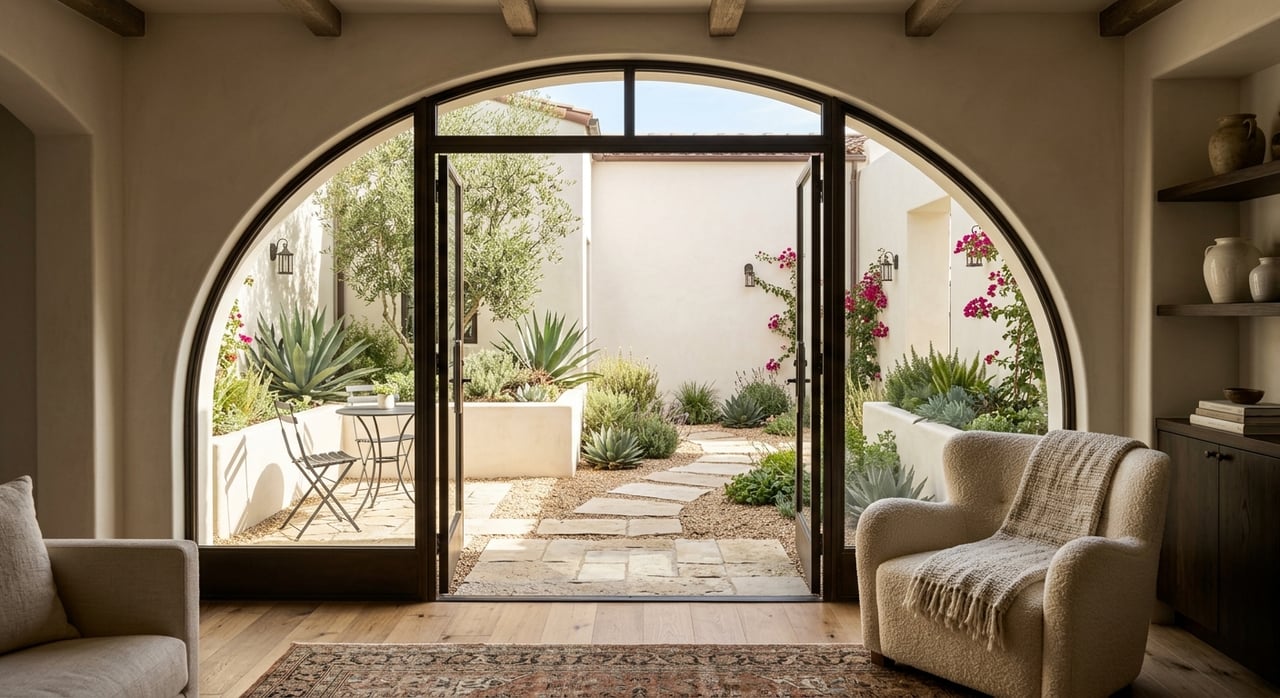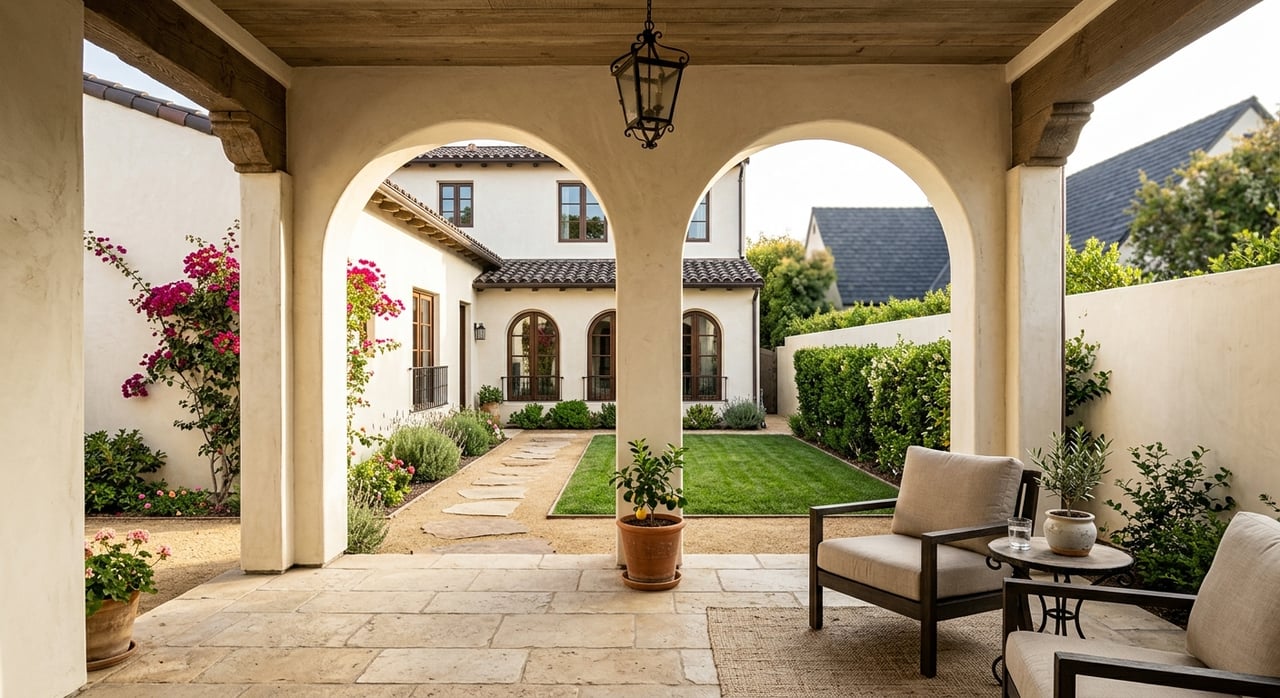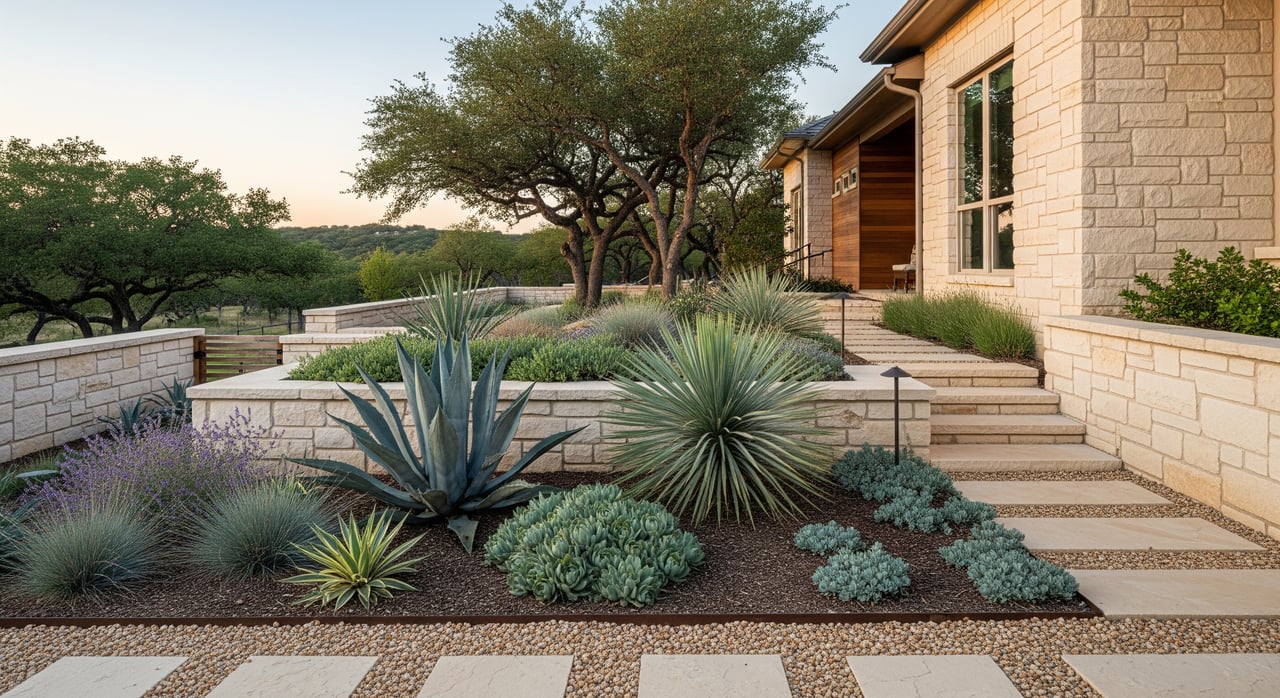
Is your yard ready for another Central Texas summer? In Buda, hot months and on-and-off droughts can send water bills up and leave thirsty lawns struggling. You want curb appeal without the constant watering, weekend upkeep, and stress over restrictions. In this guide, you’ll learn practical, Buda-specific steps to design a beautiful drought‑smart landscape, from plant choices to irrigation upgrades and local rules to know. Let’s dive in.
Why drought‑smart works in Buda
Buda sits in the Texas Hill Country, where summers are hot and drought cycles are common. Rainfall swings from heavy storms to long dry spells, so landscapes need to store and use water wisely. Local soils can be shallow, rocky, alkaline, or slow to drain, which makes plant selection and soil prep even more important.
Outdoor watering rules can change during dry periods. Before you plan a schedule or install new irrigation, check current guidance with the City of Buda Utilities so you stay compliant and efficient. You can review updates on the City’s utilities page and confirm any active restrictions.
Start with a simple site plan
Assess sun, soil, and drainage
Walk your yard at different times of day and note sun and shade patterns. Test how water moves across the property and watch for runoff, puddling, or erosion. Buda soils vary block by block, so plan to amend planting areas with compost and create planting pockets for non‑native plants that need better rooting conditions. If you want precise guidance, the Texas A&M Soil Testing Laboratory offers testing to help you match plants and amendments to your soil.
Check rules and HOA guidelines
Water suppliers, groundwater districts, and HOAs can have rules that affect plant choices, front yard appearance, and irrigation. Confirm what is allowed before you start a major refresh. If you plan grading, large hardscapes, or structural features, contact the City of Buda to see if permits apply.
Phase your conversion
You do not have to rip out your entire lawn at once. Many Buda homeowners start with a high‑visibility bed near the entry, then convert narrow turf strips or side yards. Phasing spreads cost, helps you learn what works on your site, and keeps your yard usable during the transition.
Design principles that save water
Hydrozones
Group plants with similar water needs so you can water each zone correctly. Place any higher‑water plantings closer to the house for impact and to reduce overall irrigated area. Keep your lowest‑water zones farthest from the house and in hot, sunny spots.
Soil first
Healthy soils hold moisture and support deep roots. Before planting, loosen compacted areas, blend in organic matter, and shape subtle berms or swales to slow and sink rainwater. This step pays off during dry spells by reducing how often you need to water.
Mulch and groundcover
Mulch keeps roots cool, reduces evaporation, and cuts weeds. Aim for 2 to 3 inches and pull it back from trunks and stems. Add living groundcovers where possible to shade soil and reduce bare areas that lose moisture quickly.
Efficient irrigation
Drip or micro‑irrigation delivers water to the root zone with minimal loss to wind and evaporation. Use pressure‑compensating emitters on slopes and bubbler emitters for trees. Pair your system with a weather‑based or sensor‑based smart controller and water deeply but infrequently.
Capture rain and manage runoff
Rain barrels and cisterns can offset outdoor water use during long dry stretches. Contour beds, add bioswales or rain gardens, and consider permeable paths or paving to slow runoff and recharge soil. In Buda’s variable rainfall, small changes to drainage design make a big difference in plant health and erosion control.
Buda‑friendly plants that shine
Choose native and well‑adapted plants that thrive in hot summers and variable rainfall. For specific plant research and pairing ideas, explore the Lady Bird Johnson Wildflower Center Native Plant Database.
Trees
- Texas redbud or Mexican redbud for spring color and low water needs after establishment
- Texas mountain laurel for evergreen structure and drought tolerance
- Live oak cultivars for shade in larger yards
- Desert willow for sunny, dry spots and summer blooms
Note: Even tough trees need supplemental water for 1 to 3 years to establish deep roots. After that, many need only occasional deep watering.
Shrubs and hedges
- Texas sage, also called cenizo, for silver foliage and low water needs
- Yaupon holly for a tidy hedge or accent with good drought tolerance once established
- Gregg’s mistflower to support pollinators in sunny beds
Perennials and pollinator plants
- Autumn sage for long blooming color
- Liatris and aster species for seasonal interest
- Turk’s cap for shade to part sun
- Coreopsis for cheerful, low‑water color
Ornamental and native grasses
- Little bluestem for movement and fall color
- Gulf muhly for pink fall plumes with moderate water needs
- Buffalo grass as a low‑water turf alternative in sunny areas
Succulents and xeric accents
- Red yucca for architectural form and hummingbird interest
- Agaves and yuccas for bold structure, placed with mature size in mind
- Sedums for small, rocky pockets
Groundcovers
- Blackfoot daisy as a bright, low, drought‑tough option
- Trailing lantana, selecting the native Lantana urticoides where appropriate
Smart irrigation and rainwater basics
Drip irrigation is your best friend for beds and trees. It waters at the root zone, reduces evaporation, and helps avoid runoff on slopes. Separate lawn zones from bed zones so you can water each correctly. Smart controllers adjust to weather, which helps you avoid overwatering.
Rainwater harvesting is widely used in Texas for gardens and irrigation. Barrels and larger cisterns can reduce potable water demand in summer. Confirm any local plumbing or discharge requirements before you install. For general efficiency guidance, review EPA WaterSense resources to fine‑tune controllers and watering habits.
Install with a simple, phased plan
- Assessment: Map sun and shade, observe drainage, locate utilities, and note plants you want to keep.
- Design: Group plants by hydrozone, size beds correctly, and lay out irrigation with separate zones for turf and beds.
- Prep: Loosen soil, blend compost, and shape subtle swales where you want to capture stormwater.
- Plant & mulch: Install by hydrozone, set drip or bubblers, and add 2 to 3 inches of mulch.
- Establish: Expect 1 to 3 years of regular supplemental watering for new plants, then reduce as roots deepen.
Maintenance that fits your life
- Watering: Early morning, deep, and less frequent watering builds stronger roots and saves water.
- Seasonal tune‑ups: Adjust irrigation by season and during drought. Refresh mulch to the 2 to 3 inch sweet spot.
- Pruning and cleanup: Drought‑smart yards often need less pruning. Pull weeds promptly to protect water and nutrients.
- Soil care: Consider annual compost topdressing where needed. A soil test through the Texas A&M Soil Testing Laboratory helps you avoid unneeded fertilizer.
Budget, savings, and payback
Upfront costs include design, plants, irrigation upgrades, rainwater systems, and hardscape. Trees and larger shrubs cost more, but they deliver long‑term shade and comfort. Over time, drought‑smart landscapes usually mean lower water bills, less maintenance, and fewer inputs.
If you replace high‑water turf with native and adapted plantings and efficient irrigation, many U.S. homes see 30 to 60 percent reductions in outdoor potable water use. Your results will vary by site and weather, so compare utility bills before and after your conversion to quantify the impact.
Selling soon? Make water‑wise a feature
Well‑designed drought‑smart yards can increase curb appeal for buyers who value low maintenance and cost control. Highlight water‑efficient irrigation, rainwater harvesting, and native plant areas in your listing. If you have a track record of lower summer water bills, share that data to show real savings.
Local rules, incentives, and help
Outdoor watering rules and rebates change as conditions shift. Check the City of Buda Utilities page for current watering days, drought stages, and any incentives. If your property uses a well, consult your local groundwater conservation district for any outdoor use rules.
For plant research and landscape planning, the Lady Bird Johnson Wildflower Center database is a go‑to resource for Central Texas selections. EPA WaterSense offers practical tips on efficient irrigation. For drought trends and planning context, review Texas Water Development Board drought resources. If you want soil‑specific advice, start with the Texas A&M Soil Testing Laboratory.
- City of Buda Utilities: review watering rules and updates
- Lady Bird Johnson Wildflower Center: Native Plant Database for plant selection
- EPA WaterSense: outdoor water‑efficient practices
- Texas Water Development Board: drought and planning resources
- Texas A&M Soil Testing Laboratory: soil tests and guidance
Track your results
- Outdoor water use reduction compared to prior years
- Turf area converted to planting beds or permeable surfaces
- Plant survival and reduced watering after the establishment period
- Biodiversity improvements, like more pollinator activity and native plant coverage
Ready to reimagine your Buda yard with a plan that saves water and looks great year‑round? Our team helps you weigh costs, prioritize updates, and position your home for value. If you want local guidance on projects that resonate with buyers across the Austin metro, reach out to Four22 Realty Group.
FAQs
What is drought‑smart landscaping for Buda homes?
- It is a water‑wise design approach that uses native and adapted plants, hydrozones, mulch, efficient irrigation, and rain capture to handle Buda’s hot summers and variable rainfall.
How much water can I save by converting my yard?
- Many homeowners who replace high‑water turf with drought‑tolerant plantings and efficient irrigation see 30 to 60 percent less outdoor potable water use, depending on site and weather.
Which drought‑tolerant plants work well in Buda?
- Options include Texas redbud, Texas mountain laurel, desert willow, Texas sage, Autumn sage, Gregg’s mistflower, little bluestem, gulf muhly, buffalo grass, red yucca, and blackfoot daisy.
Do I need to replace my entire lawn to go drought‑smart?
- No. You can phase changes, starting with entry beds or narrow turf strips, then expand as time and budget allow while keeping key lawn areas you use most.
Are rain barrels and cisterns allowed for Buda homes?
- Rainwater harvesting is commonly used in Texas for garden and irrigation use; check local code for any plumbing or discharge rules before installing.
How long will new plants take to establish in Central Texas?
- Most native and adapted perennials and shrubs need 1 to 3 years of supplemental watering to establish, and trees often need 2 to 3 years for strong root systems.
Where can I find credible plant lists for Central Texas?
- Use the Lady Bird Johnson Wildflower Center Native Plant Database and Texas A&M AgriLife Extension resources for region‑appropriate plant lists and guidance.
City of Buda Utilities | Lady Bird Johnson Wildflower Center Native Plant Database | EPA WaterSense | Texas Water Development Board drought resources | Texas A&M Soil Testing Laboratory
When you are ready to buy, sell, or prep your property for market in Buda or the surrounding suburbs, connect with Four22 Realty Group for local guidance and a clear plan.